Buy werkvertrag.eu ?
We are moving the project
werkvertrag.eu .
Are you interested in purchasing the domain
werkvertrag.eu ?
domain@kv-gmbh.de · 0541-91531010
Buy werkvertrag.eu ?
What is the difference between density-independent factors and abiotic factors?
Density-independent factors are environmental factors that affect a population regardless of its size or density, such as natural disasters or climate change. Abiotic factors, on the other hand, are non-living components of an ecosystem that can influence the survival and growth of organisms, such as temperature, sunlight, and soil composition. While density-independent factors can include abiotic factors, abiotic factors encompass a broader range of non-living elements that can impact an ecosystem. **
What are abiotic factors in ecology?
Abiotic factors in ecology are non-living components of an ecosystem that can influence the living organisms within it. These factors include physical and chemical elements such as temperature, sunlight, water, soil, air, and nutrients. Abiotic factors play a crucial role in shaping the environment and determining the types of organisms that can survive in a particular ecosystem. They can also affect the distribution, behavior, and abundance of species within an ecosystem. **

Similar search terms for Abiotic Climate
Top-Angebote
Products related to Abiotic Climate:
-
Multicon Wholesale Hub Radio Climate Trim Bezel Dash Panel Gray Fits Ford & Expedition Radio Climate Trim Bezel Dash Panel Gray Fits Ford & ExpeditionTransform the interior of your 19972003 Ford F150 or Expedition with this highquality Radio Climate Trim Bezel Dash Panel in sleek gray. Designed for a seamless fit, it offers an easy and efficient upgrade to your vehicle's interior, giving your...79,97 $*Shipping: 0,00 $Secure redirect to the provider
-
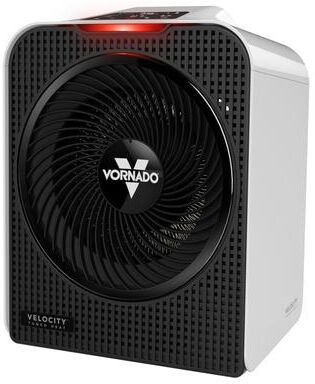
Vornado Velocity 5 Whole Room Space Heater with Auto Climate ControlINCREASED PERFORMANCE – The Velocity 5 heater features Velocity Tuned Heat technology, delivering hotter heat with superior efficiency. Its advanced aerodynamics push air further and faster, increasing warmth throughout your space.114,99 $*Shipping: 0,00 $Secure redirect to the provider
-
Ouidad Advanced Climate Control® All-in-1 Leave-In ConditionerOur Advanced Climate Control® All-In-1 Leave-In Conditioner is a lightweight, silicone-free conditioning spray that effortlessly removes tangles, primes curls for heat styling, and helps fight frizz in any climate. With powerful heat protection up...25,99 $*Shipping: 0,00 $Secure redirect to the provider


-
What is the Paris Climate Agreement?
The Paris Climate Agreement is an international treaty that aims to limit global warming to well below 2 degrees Celsius above pre-industrial levels, with an aspiration to limit the temperature increase to 1.5 degrees Celsius. It was adopted in 2015 by 196 countries and sets out a framework for countries to take action to reduce their greenhouse gas emissions and adapt to the impacts of climate change. The agreement also includes provisions for financial support to help developing countries transition to low-carbon economies and cope with the impacts of climate change. **
-
What are abiotic factors in the Antarctic?
Abiotic factors in the Antarctic include extreme cold temperatures, strong winds, low precipitation, and high levels of ultraviolet radiation due to the hole in the ozone layer. The frozen landscape is also a significant abiotic factor, as the ice and snow cover much of the continent. These abiotic factors create a harsh environment that shapes the unique ecosystems and limits the types of organisms that can survive in the Antarctic. **
-
What was the climate agreement of 2017?
The climate agreement of 2017 refers to the Paris Agreement, which was adopted in 2015 and entered into force in 2016. In 2017, the agreement gained further momentum as countries around the world reaffirmed their commitment to combatting climate change. The agreement aims to limit global warming to well below 2 degrees Celsius above pre-industrial levels, with efforts to limit the temperature increase to 1.5 degrees Celsius. It also includes provisions for countries to set and achieve their own targets for reducing greenhouse gas emissions and to provide financial support to developing countries to help them adapt to the impacts of climate change. **
-
Are abiotic and biotic environmental factors the same as density-dependent and density-independent environmental factors?
Abiotic and biotic environmental factors are not the same as density-dependent and density-independent environmental factors. Abiotic and biotic factors refer to non-living and living components of an ecosystem, respectively, while density-dependent and density-independent factors refer to how environmental factors affect a population based on its density. Density-dependent factors are influenced by the size of the population, such as competition for resources, predation, and disease, while density-independent factors, like natural disasters or climate events, affect populations regardless of their size. **


What are application tasks related to abiotic factors?
Application tasks related to abiotic factors involve studying the impact of non-living elements such as temperature, water availability, soil composition, and sunlight on various ecosystems. Researchers may investigate how changes in these abiotic factors affect plant growth, animal behavior, and overall ecosystem health. Understanding these relationships is crucial for predicting and managing the effects of climate change, land use changes, and other environmental disturbances on ecosystems. By studying abiotic factors, scientists can develop strategies to conserve biodiversity, restore degraded habitats, and promote sustainable resource management. **
What are abiotic and biotic factors for humans?
Abiotic factors for humans include non-living elements such as air quality, temperature, and sunlight exposure. These factors can directly impact human health and well-being. Biotic factors for humans involve living organisms that interact with humans, such as pathogens, parasites, and symbiotic organisms like gut bacteria. These factors can also have significant effects on human health and disease. **
Top-Angebote
Products related to Abiotic Climate:
-
Evolve Organic Beauty Climate Defence SPF 30 40mlEvolve Organic Beauty Climate Defence SPF30 is an un-tinted, reef-friendly, non-nano, Zinc Oxide-based face cream which gives high SPF protection of 30 and protects against harmful UVA rays at the same time. This cream contains lingonberry stem cells which help protect the skin from the damaging effects of sun radiation and free radicals, all whilst improving skin texture. Prickly pear cactus extract deeply hydrates and soothes the skin from irritation, and hyaluronic acid helps promote a firmer, plumper appearance whilst locking moisture into the skin. Ingredients: Aqua (water), Zinc Oxide, Caprylic/ capric triglyceride, Coco-caprylate, Glycerin, Argania spinosa kernel oil, Tocopheryl acetate, Pentylene glycol (from sugar cane), Arachidyl alcohol, Behenyl alcohol, Polyhydroxystearic acid, Polyglyceryl-3 polyricinoleate, Isostearic acid, Lecithin, Sodium hyaluronate, Caryodendron orinocense seed oil, Cetearyl olivate, Vaccinium vitis-idaea fruit extract, Crambe abyssinica seed oil, Aloe barbadensis leaf juice powder*, Opuntia ficus-indica stem extract*, Gluconolactone, Helianthus annuus (sunflower) seed oil, Arachidyl glucoside, Sodium levulinate, Sodium dehydroacetate, Sodium stearoyl glutamate, Bisabolol, Tocopherol, Sorbitan olivate, Parfum (fragrance), Xanthan gum, , Sodium anisate, Sodium gluconate, Citric acid, Sodium benzoate, Disodium phosphate, Calcium Gluconate.29,00 £*Shipping: 0,00 £Secure redirect to the provider
-
Multicon Wholesale Hub Radio Climate Trim Bezel Dash Panel Gray Fits Ford & Expedition Radio Climate Trim Bezel Dash Panel Gray Fits Ford & ExpeditionTransform the interior of your 19972003 Ford F150 or Expedition with this highquality Radio Climate Trim Bezel Dash Panel in sleek gray. Designed for a seamless fit, it offers an easy and efficient upgrade to your vehicle's interior, giving your...79,97 $*Shipping: 0,00 $Secure redirect to the provider
-
What is the difference between density-independent factors and abiotic factors?
Density-independent factors are environmental factors that affect a population regardless of its size or density, such as natural disasters or climate change. Abiotic factors, on the other hand, are non-living components of an ecosystem that can influence the survival and growth of organisms, such as temperature, sunlight, and soil composition. While density-independent factors can include abiotic factors, abiotic factors encompass a broader range of non-living elements that can impact an ecosystem. **
-
What are abiotic factors in ecology?
Abiotic factors in ecology are non-living components of an ecosystem that can influence the living organisms within it. These factors include physical and chemical elements such as temperature, sunlight, water, soil, air, and nutrients. Abiotic factors play a crucial role in shaping the environment and determining the types of organisms that can survive in a particular ecosystem. They can also affect the distribution, behavior, and abundance of species within an ecosystem. **
-
What is the Paris Climate Agreement?
The Paris Climate Agreement is an international treaty that aims to limit global warming to well below 2 degrees Celsius above pre-industrial levels, with an aspiration to limit the temperature increase to 1.5 degrees Celsius. It was adopted in 2015 by 196 countries and sets out a framework for countries to take action to reduce their greenhouse gas emissions and adapt to the impacts of climate change. The agreement also includes provisions for financial support to help developing countries transition to low-carbon economies and cope with the impacts of climate change. **
-
What are abiotic factors in the Antarctic?
Abiotic factors in the Antarctic include extreme cold temperatures, strong winds, low precipitation, and high levels of ultraviolet radiation due to the hole in the ozone layer. The frozen landscape is also a significant abiotic factor, as the ice and snow cover much of the continent. These abiotic factors create a harsh environment that shapes the unique ecosystems and limits the types of organisms that can survive in the Antarctic. **
Similar search terms for Abiotic Climate
-
Vornado Velocity 5 Whole Room Space Heater with Auto Climate ControlINCREASED PERFORMANCE – The Velocity 5 heater features Velocity Tuned Heat technology, delivering hotter heat with superior efficiency. Its advanced aerodynamics push air further and faster, increasing warmth throughout your space.114,99 $*Shipping: 0,00 $Secure redirect to the provider
-
Ouidad Advanced Climate Control® All-in-1 Leave-In ConditionerOur Advanced Climate Control® All-In-1 Leave-In Conditioner is a lightweight, silicone-free conditioning spray that effortlessly removes tangles, primes curls for heat styling, and helps fight frizz in any climate. With powerful heat protection up...25,99 $*Shipping: 0,00 $Secure redirect to the provider
-
Uplifted Goods 3 In 1 Climate Controlled Car Seat Cover blackExperience ultimate driving comfort in any season with the 3 In 1 Climate Controlled Car Seat Cover. This advanced cushion offers cooling, heating, and massage functions all in one sleek design. Featuring ten hidden high speed fans for rapid...143,97 $*Shipping: 0,00 $Secure redirect to the provider
-
Blue Ridge Home Fashions, Inc. Sleep Climate Mattress Pad White, Twin, WhiteThe Sleep Climate(TM) Mattress Pad ensures the conditions are perfectly set for a restful night's sleep. The white 300 T.C. mattress pad features a classic box-quilted design with polyester microfiber backing and a polyester knit skirt that...69,99 $*Shipping: 15,95 $Secure redirect to the provider
-
What was the climate agreement of 2017?
The climate agreement of 2017 refers to the Paris Agreement, which was adopted in 2015 and entered into force in 2016. In 2017, the agreement gained further momentum as countries around the world reaffirmed their commitment to combatting climate change. The agreement aims to limit global warming to well below 2 degrees Celsius above pre-industrial levels, with efforts to limit the temperature increase to 1.5 degrees Celsius. It also includes provisions for countries to set and achieve their own targets for reducing greenhouse gas emissions and to provide financial support to developing countries to help them adapt to the impacts of climate change. **
-
Are abiotic and biotic environmental factors the same as density-dependent and density-independent environmental factors?
Abiotic and biotic environmental factors are not the same as density-dependent and density-independent environmental factors. Abiotic and biotic factors refer to non-living and living components of an ecosystem, respectively, while density-dependent and density-independent factors refer to how environmental factors affect a population based on its density. Density-dependent factors are influenced by the size of the population, such as competition for resources, predation, and disease, while density-independent factors, like natural disasters or climate events, affect populations regardless of their size. **
-
What are application tasks related to abiotic factors?
Application tasks related to abiotic factors involve studying the impact of non-living elements such as temperature, water availability, soil composition, and sunlight on various ecosystems. Researchers may investigate how changes in these abiotic factors affect plant growth, animal behavior, and overall ecosystem health. Understanding these relationships is crucial for predicting and managing the effects of climate change, land use changes, and other environmental disturbances on ecosystems. By studying abiotic factors, scientists can develop strategies to conserve biodiversity, restore degraded habitats, and promote sustainable resource management. **
-
What are abiotic and biotic factors for humans?
Abiotic factors for humans include non-living elements such as air quality, temperature, and sunlight exposure. These factors can directly impact human health and well-being. Biotic factors for humans involve living organisms that interact with humans, such as pathogens, parasites, and symbiotic organisms like gut bacteria. These factors can also have significant effects on human health and disease. **
* All prices are inclusive of VAT and, if applicable, plus shipping costs. The offer information is based on the details provided by the respective shop and is updated through automated processes. Real-time updates do not occur, so deviations can occur in individual cases. ** Note: Parts of this content were created by AI.